About the Arkansas Rural Health Network Workforce Toolkit
A collaborative initiative to strengthen healthcare across rural Arkansas
The Challenge We Face
Arkansas stands at a critical juncture in rural healthcare. Our state consistently ranks among the bottom 10-20 states for healthcare access, with rural communities bearing the heaviest burden. The numbers tell a stark story: with only 9.2 primary care physicians per 10,000 residents, many Arkansans must travel hours for basic medical care.
But statistics only scratch the surface. Behind each number is a family without a local doctor, a graduate who leaves for opportunities elsewhere, and a community hospital struggling to fill essential positions. One in three Arkansas physicians is approaching retirement age, with few replacements in the pipeline. Rural hospitals face closure risks, medical graduates leave for urban centers, and entire communities lack access to basic healthcare services.
‘The traditional approaches—recruitment bonuses, traveling healthcare workers, and temporary fixes—haven’t created lasting change. Rural Arkansas needs something different. We need solutions that grow from our communities, not ones imported from elsewhere.
This crisis demands more than temporary patches. It requires a fundamental shift in how we develop, support, and retain our healthcare workforce. That’s why the Arkansas Rural Health Network came together to create this toolkit—to build sustainable, homegrown solutions that strengthen healthcare from within our communities.
Our Approach

Growing Our Own
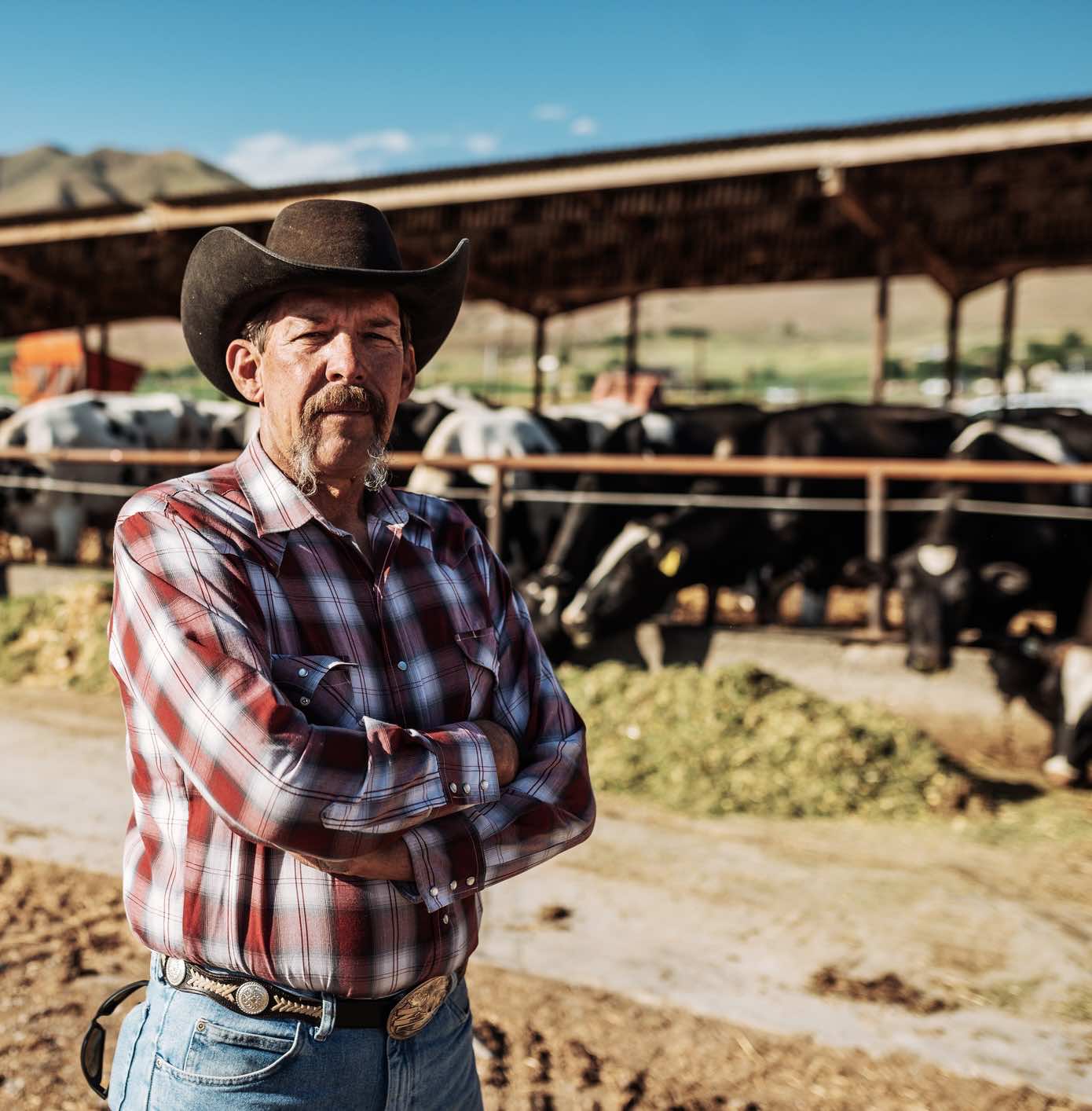
The most sustainable healthcare workforce is one that comes from the communities it serves. Rural Arkansans who pursue healthcare careers in their home regions are more likely to stay, more connected to their patients, and more invested in long-term community health. This “grow our own” philosophy drives every strategy in our toolkit.
Regional Solutions for Regional Needs
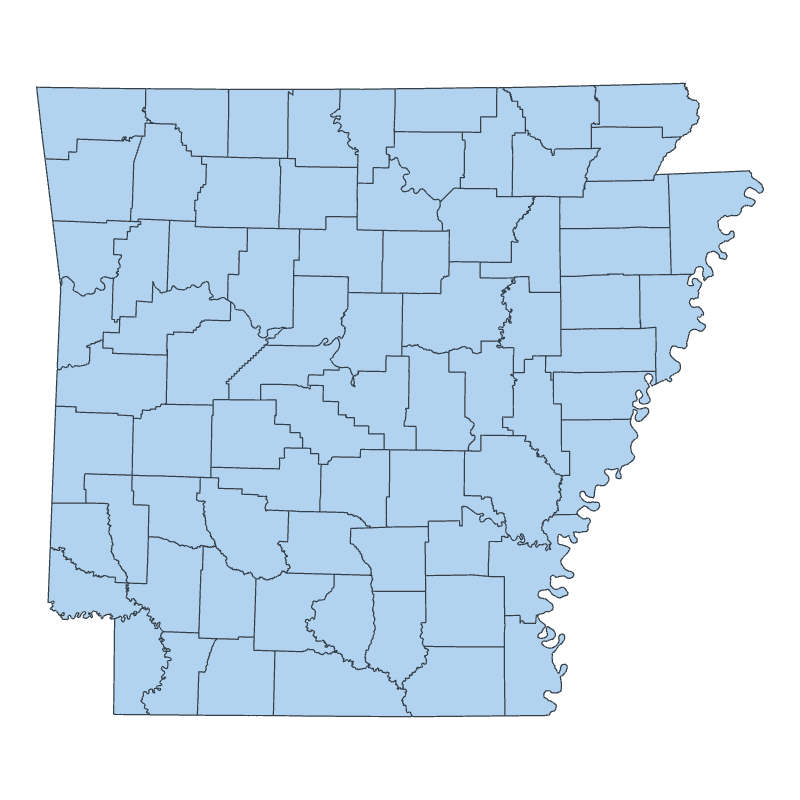
Arkansas isn’t one-size-fits-all, and neither are our solutions. What works in the Delta’s agricultural communities may not fit the Ozarks’ rural towns. Our toolkit provides a framework for customization, ensuring each region can build on its unique strengths while addressing its specific challenges.

Evidence-Based, Arkansas-Tested
Every strategy in this toolkit is grounded in evidence and proven practices. We’ve gathered successful models from across the nation and, more importantly, from within Arkansas itself. These aren’t theoretical solutions—they’re practical approaches that have worked in communities like yours.

Building for the Long Term
Quick fixes don’t solve workforce crises. Our toolkit focuses on sustainable solutions that create lasting change:
- Educational pipelines that start in middle school
- Career ladders that help entry-level workers advance
- Workplace cultures that support retention
- Community partnerships that strengthen the entire system
- This approach recognizes that developing a strong healthcare workforce takes time, commitment, and collaboration. But the investment pays dividends for generations.
The Arkansas Rural Health Network
Who We Are
The Arkansas Rural Health Network represents a unified effort to address our state’s rural healthcare workforce crisis. This initiative emerged through the collaborative efforts of six leading organizations, each bringing unique expertise and deep roots in Arkansas communities. Together, we’re designing regional and state-level plans to advance rural health workforce development across Arkansas.
Our network operates on a simple principle: Arkansas’s healthcare challenges require Arkansas solutions. By combining our resources, knowledge, and community connections, we’re creating sustainable pathways for developing healthcare professionals who will serve rural communities for generations to come.
Our Partners
Arkansas Rural Health Partnership (Lead Organization)
The Arkansas Rural Health Partnership began when hospital administrators from five rural hospitals in the Southeast Delta region came together with a shared vision: to unite as a region and ensure everyone has better access to care and support. What started as a small group meeting in 2008—supported by a HRSA Rural Health Network Planning grant—has grown into a robust partnership comprising 22 rural hospitals, 3 teaching medical institutions, and 4 federally qualified health centers.
ARHP serves as the lead organization for this toolkit initiative, bringing years of experience in collaborative resource sharing, sustainable program development, and deep understanding of rural healthcare needs. The partnership’s strength lies in its member-owned, member-led approach, ensuring that solutions come from those who best understand rural healthcare challenges.
Partner Organizations
While the Arkansas Rural Health Partnership leads this initiative, the success of the Arkansas Rural Health Network depends on the contributions and expertise of all partner organizations:
- Heartland Whole Health Institute
- Mississippi Rural Health Association
- Rural Health Association of Arkansas
- Winthrop Rockefeller Institute
- Community Health Centers of Arkansas
Each partner brings valuable perspectives, resources, and connections to communities across Arkansas. This collaborative approach ensures that our toolkit reflects the full spectrum of rural healthcare needs and opportunities throughout the state.
Note: Detailed descriptions of each partner’s specific role and contributions will be added as we continue to develop and refine the toolkit through our collaborative process.
How the Toolkit Was Developed

Building on Evidence, Rooted in Arkansas
The development of this toolkit began with a comprehensive examination of what works—and what doesn’t—in rural healthcare workforce development. Our team conducted extensive research across multiple sources, from peer-reviewed academic journals to government reports and successful program evaluations. This literature review process focused on identifying evidence-based practices and proven models that could be adapted for Arkansas’s unique rural context.
From Research to Reality
Our methodology went beyond traditional academic research. We searched for real-world examples of successful workforce initiatives, examining:
- Scholarly articles and research studies on rural healthcare workforce development
- Government resources and policy documents
- Successful models from other rural states
- Existing Arkansas initiatives showing promise
Each finding was carefully evaluated for its relevance to Arkansas communities, feasibility of implementation, and potential for sustainable impact.
Voices from the Field
Research alone doesn’t capture the full picture. Throughout the development process, we’re engaging directly with those who understand rural healthcare’s daily realities—hospital administrators, healthcare workers, educators, and community leaders. This stakeholder engagement ensures our toolkit addresses actual needs rather than theoretical challenges.
The toolkit you see today represents the first phase of an ongoing collaborative process.
What Makes This Toolkit Different
Who We Are
Genuinely Arkansas-Focused
Many workforce development resources offer generic solutions that assume all rural areas are the same. This toolkit is different. Every strategy, model, and recommendation has been selected and adapted specifically for Arkansas’s rural communities. We understand that our state’s unique geography, demographics, and culture require tailored approaches—not one-size-fits-all solutions from other states.
By Rural Healthcare, For Rural Healthcare
This toolkit wasn’t created by consultants in distant cities or academics in ivory towers. It emerged from the real-world experience of Arkansas’s rural healthcare providers. The Arkansas Rural Health Partnership and our network partners live these challenges daily. We’ve staffed night shifts with skeleton crews, recruited in competitive markets, and celebrated when a local student returns home to practice. This toolkit contains the wisdom earned through decades of serving rural communities.
Built to Bend, Not Break
Rigid plans fail in dynamic environments. This toolkit provides a flexible framework that adapts to your region’s changing needs. Whether you’re a Delta community facing agricultural workforce shifts or an Ozark town experiencing population growth, the toolkit’s modular approach lets you select what works, modify what needs adjusting, and skip what doesn’t apply. It’s a guide, not a prescription.
Always Improving
Healthcare workforce needs evolve, and so does this toolkit. We’ve built in mechanisms for continuous improvement:
- Regular updates based on implementation feedback
- New strategies added as they’re proven successful
- Lessons learned shared across regions
- Annual reviews to ensure continued relevance
Your experience using these strategies directly shapes future versions, creating a resource that gets stronger with each implementation.
Community at the Center
Perhaps most importantly, this toolkit puts community voices first. It’s not about imposing outside solutions but about amplifying what communities already know. Every strategy emphasizes local ownership, community partnerships, and homegrown leadership. We believe the best solutions come from within—this toolkit simply provides the framework and evidence to support what communities are ready to build.
This approach recognizes a fundamental truth: sustainable workforce development happens when communities drive their own solutions. The toolkit is just the beginning of that conversation.
Take the first step. Request your regional assessment today.

The Arkansas Rural Health Network is committed to supporting every region in our state. No community is too small, no challenge too large. Together, we’re building a stronger, healthier Arkansas.